I Global Baku Forum: “Building Shared Societies in Caucasus”

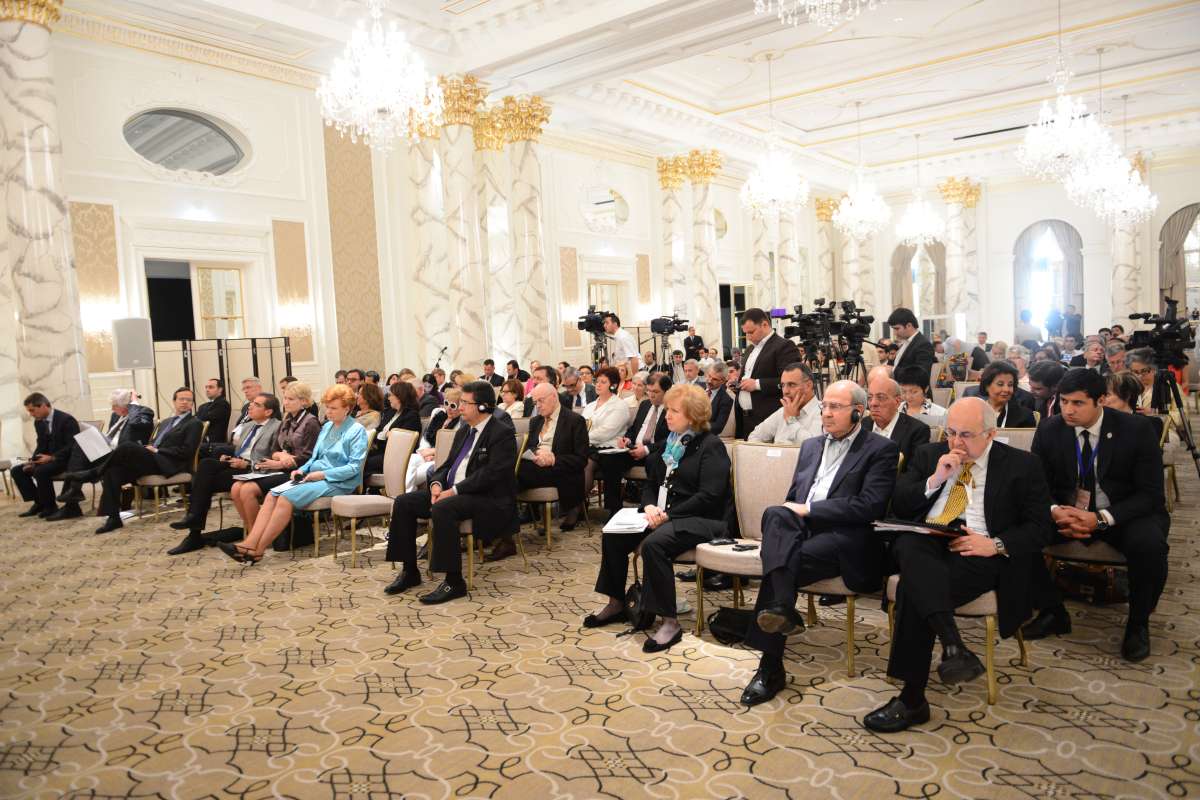
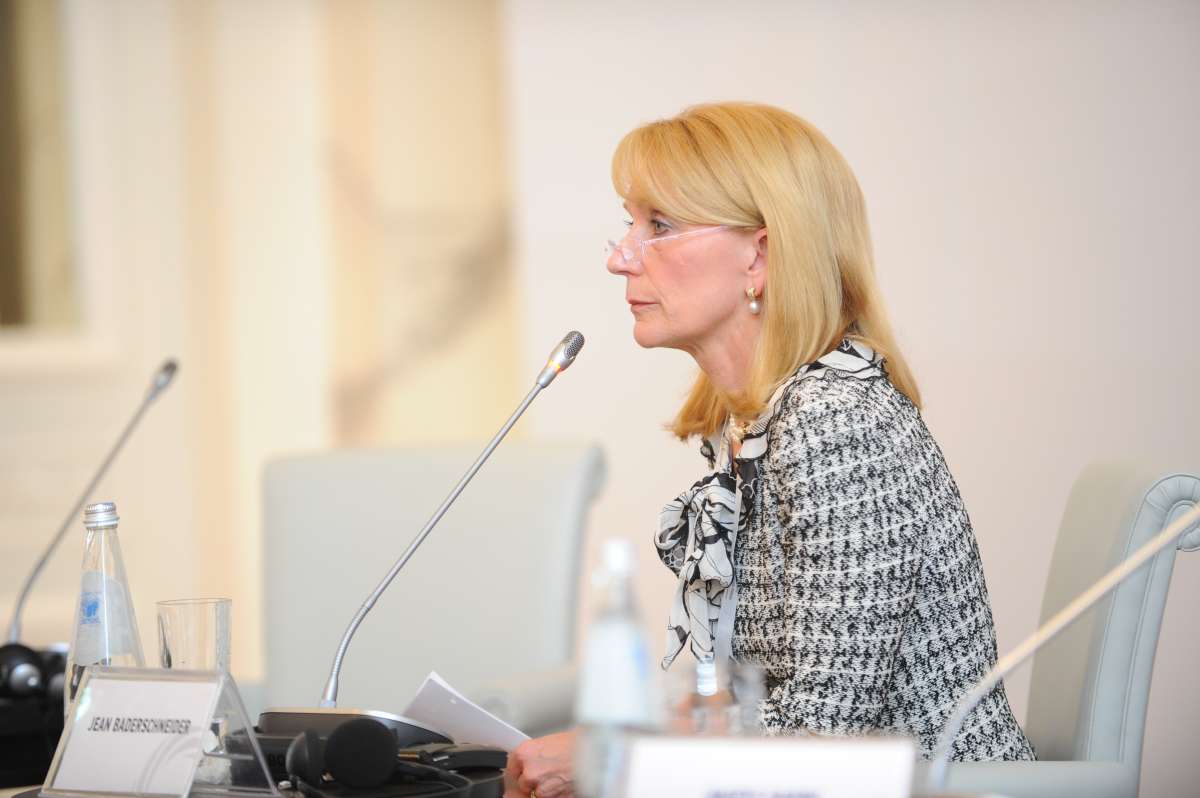
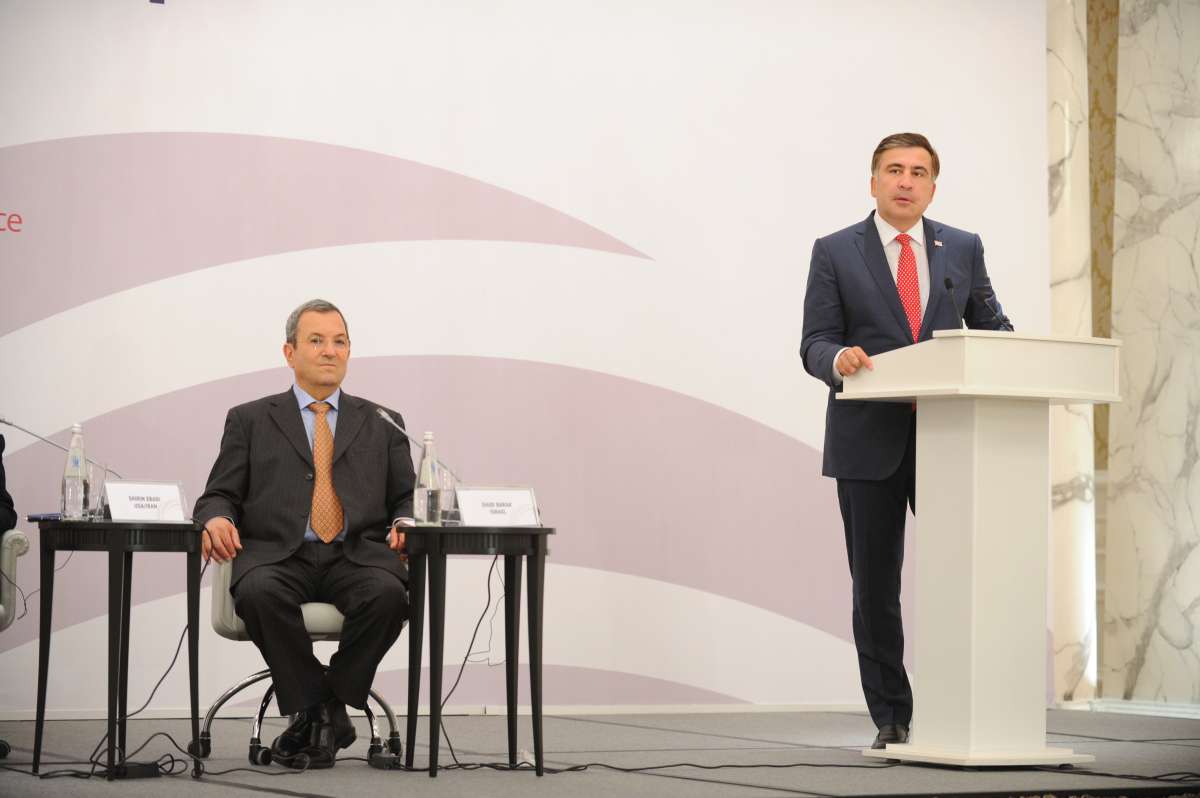
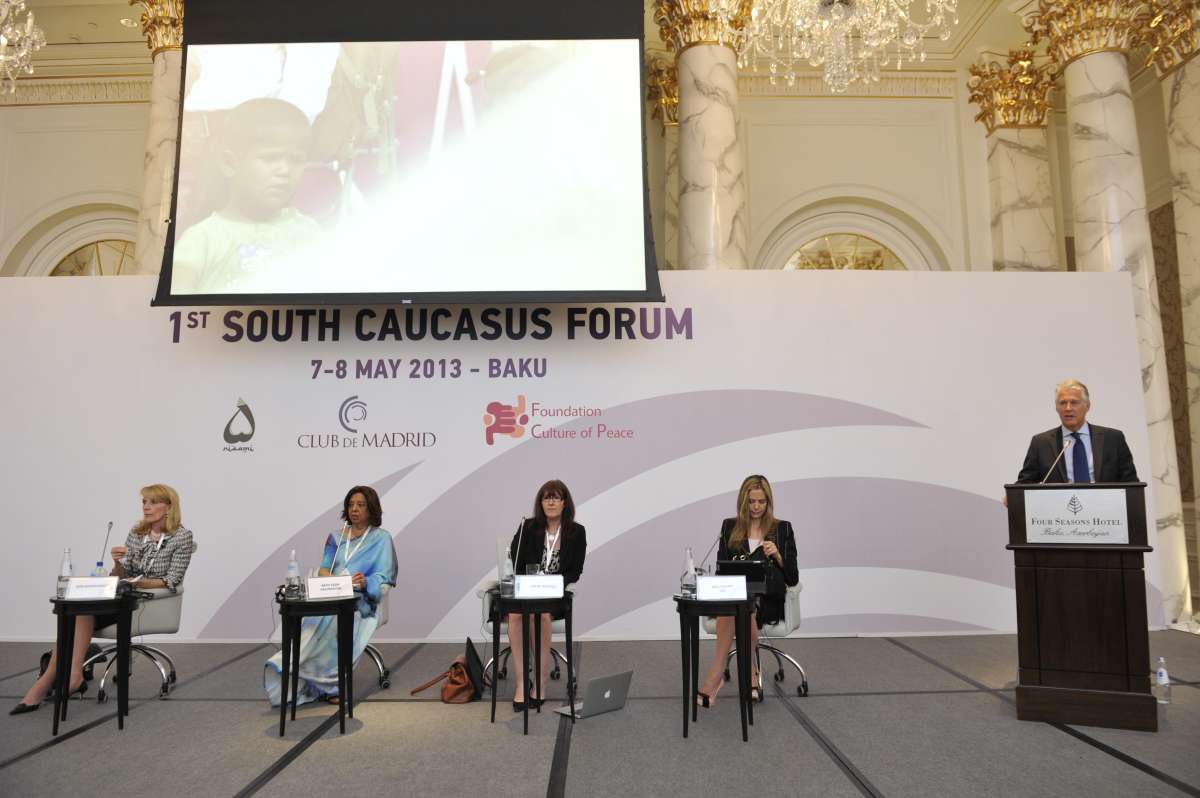
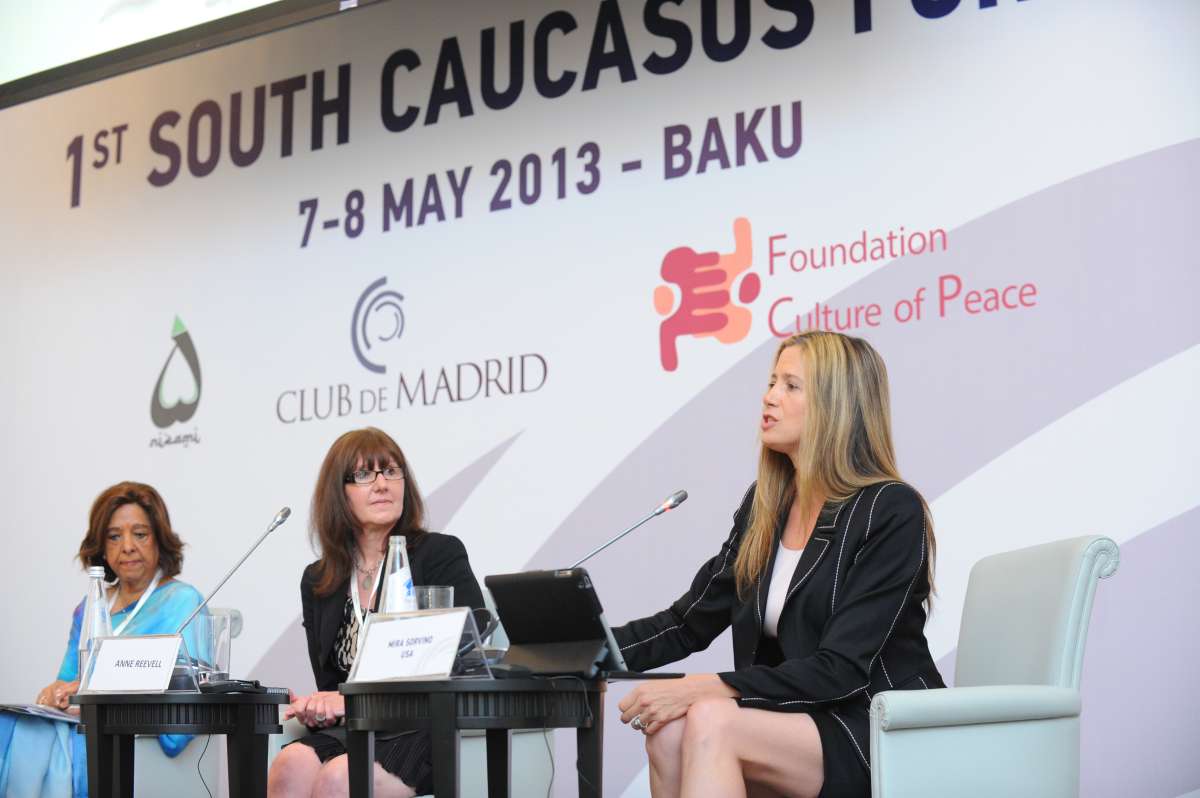
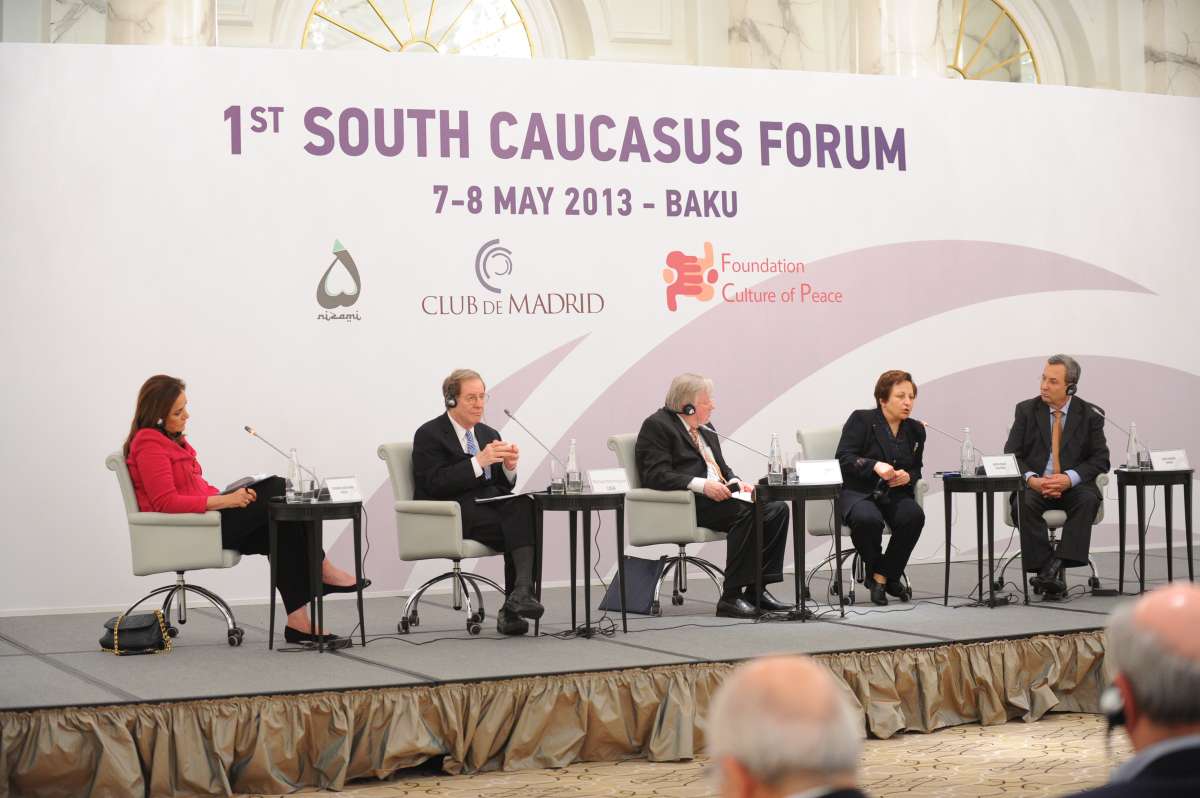
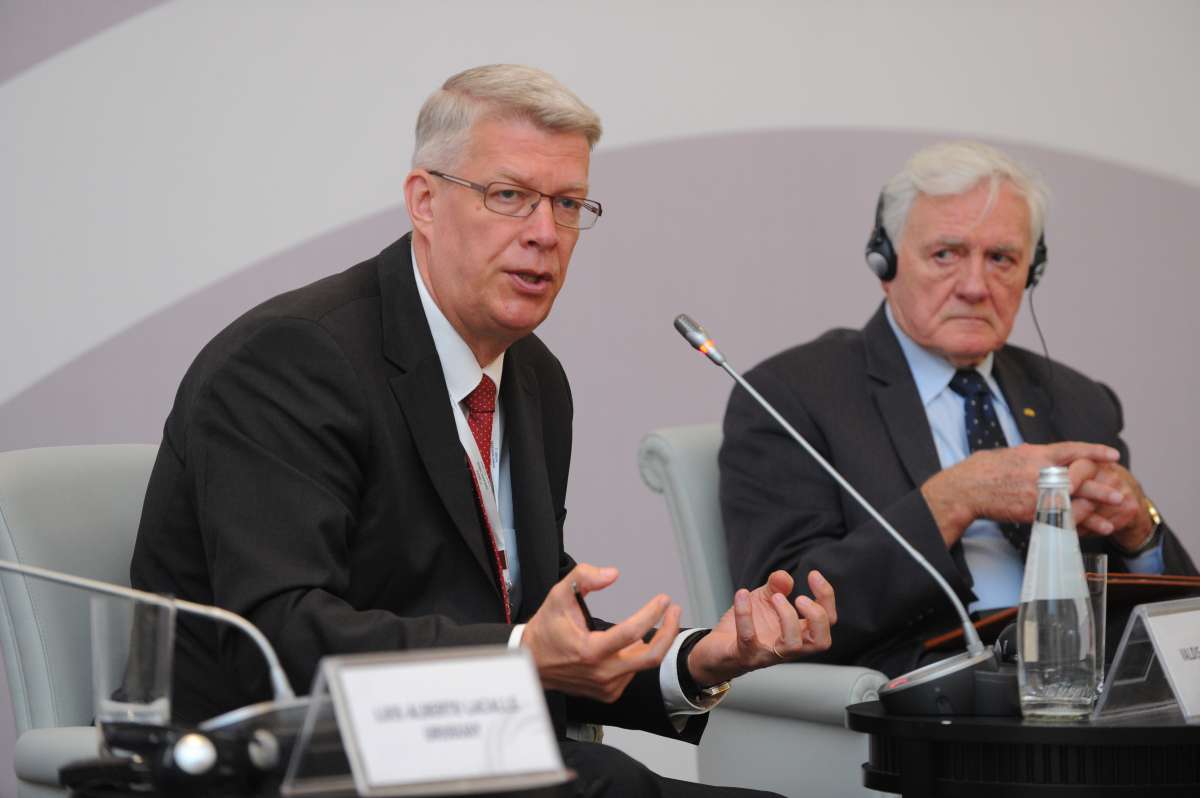
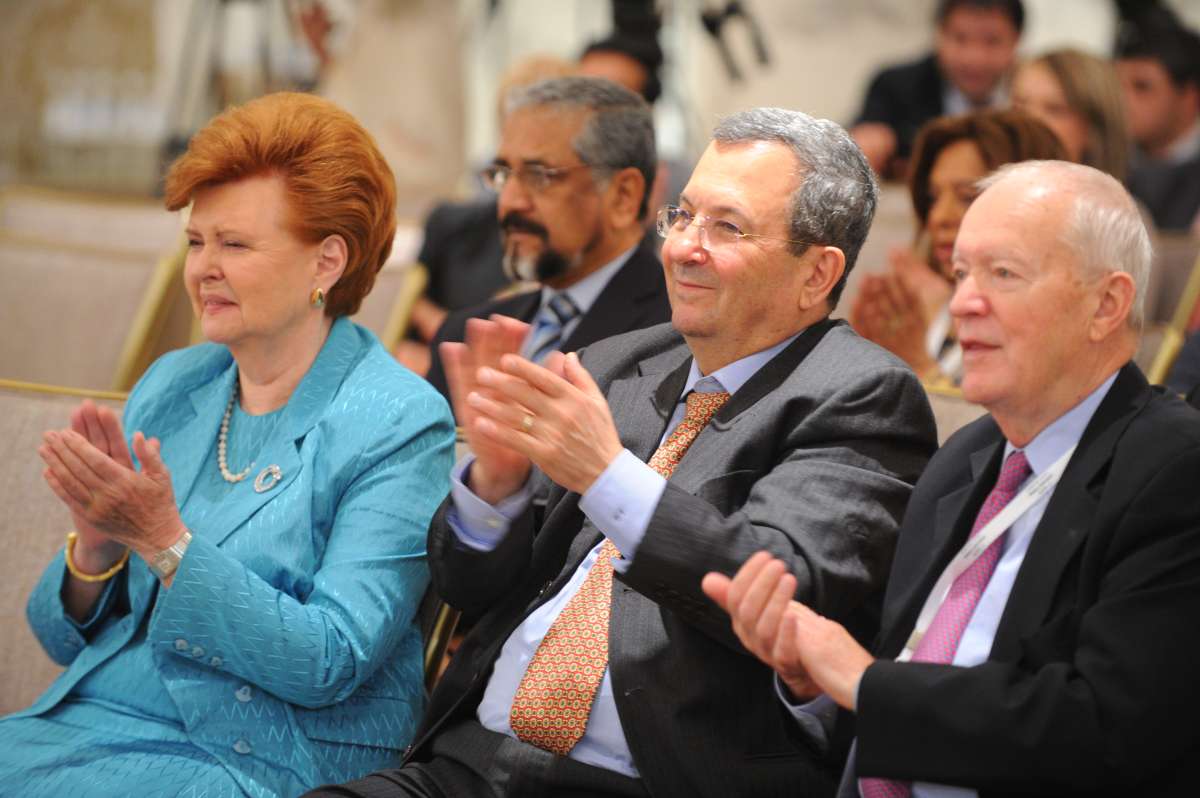
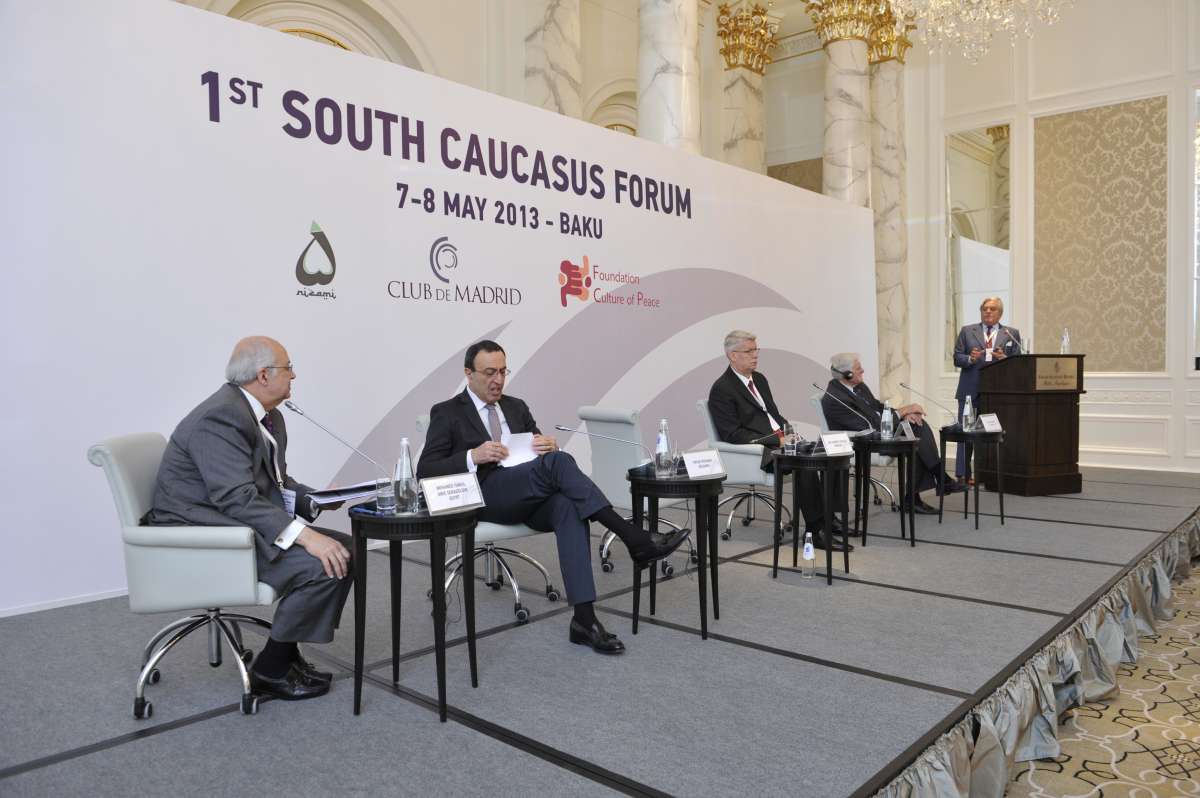
The 1st Global Baku Forum of the Nizami Ganjavi International Center took place on May 5-8, 2013, with the partnership of the Club de Madrid. The event was first held in Ganja, the second largest city of Azerbaijan, and then in the capital, Baku.


A ‘shared society’ is a socially cohesive society. It is stable, safe. It is where all those living there feel at home. It respects everyone’s dignity and human rights while providing every individual with equal opportunity. It is tolerant. It respects diversity. A shared society is constructed and nurtured through strong political leadership.


The project worked on agreeing the 10 Commitments and Approaches for Shared Societies: 

I. Locating responsibility of social cohesion within government structures 

II. Creating opportunities for consultation 

III. Monitor structures and policies
to ensure they are supportive of social
cohesion
IV. Ensure the legal framework protects the
rights of the individual
V. Deal with inequality and economic
disadvantages by those discriminated against
VI. Ensure that physical environments
create opportunities for social interaction
VII. A education system that demonstrates
a commitment to a shared society
VIII. Initiate a process to encourage the creation of a shared vision of society IX. Promote respect, understanding and appreciation of diversity
X. Take steps to reduce tensions and hostility between communities 


Presidents-2

Former Presidents -16 (3-female/13-male)

Prime Ministers-9 (2-female/7-male)


Represented countries: (21 countries)


Overall 170 Participants from:

Albania; Azerbaijan; Bolivia; Bulgaria; Canada; Finland; Georgia; Israel; Jordan; Latvia; Lithuania; Mauritius; Netherlands; New Zealand; Nigeria; Romania; Serbia; Sudan; Switzerland; Uruguay; Yemen.

More_forums

XIII Global Baku Forum: "Bridging Divides in a World in Transition"

The Forum convenes at a moment when the international system is passing through a difficult, unstable transition: power remains concentrated among a small number of major states, yet the strategic framework that once structured cooperation and managed competition is weakening. The world is no longer unipolar, but it is not meaningfully multipolar either. Instead, it is trapped in an unsettled “in-between” phase in which fragmentation-not alignment-has become the dominant feature of global politics. Great-power rivalry increasingly organizes international affairs, narrowing cooperation into transactional arrangements while weakening the mechanisms designed to absorb geopolitical friction and prevent escalation.

The sessions in the XIII GBF will examine how this fractured landscape is expressed across multiple, overlapping domains: military force, economic coercion, energy dependency, technological access, information control, and critical supply routes. The discussions will also consider how emerging arenas-critical minerals, clean-energy infrastructure, digital connectivity, and frontier technologies-are intensifying vulnerabilities and complicating statecraft. With implementation now the decisive fault line in climate action and other global agendas, the core purpose is not to defend an eroding status quo, but to identify the strategic spaces where renewed cooperation, adaptive governance, and pragmatic coalitions can still take shape. The World needs the benefit of these discussions with such eminent leaders.

XII Global Baku Forum: "Rethinking World Order: Turning Challenges Into Opportunities"

The XII Global Baku Forum, organized by the Nizami Ganjavi International Center, took place on March 13-15, 2025, under the theme “Rethinking World Order: Turning Challenges into Opportunities.” bringing together up to 400 participants from 68 countries.

Over the course of the three-day forum, more than 30 hours of discussions were held across 11 Panel Sessions, 5 Statement and Coversation Sessions and 2 Night Owl sessions. The event convened a distinguished group of participants, including 3 serving Presidents, 2 Ministers, 9 Heads of UN-affiliated institutions and international organizations, 26 former Presidents, 20 former Prime Ministers, 25 former Deputy Prime Ministers and Deputy Foreign Ministers, and 6 former Presidents of the UN General Assembly.

Key discussions centered on major global challenges and opportunities, with sessions dedicated to:

  • Geopolitical Shifts
  • Reimagining Multilateralism
  • UN Pact for the Future
  • Ukraine-European Union
  • Global Health in Crisis
  • Rebuilding for Peace – Post-Conflict Reconstruction and Regional Stability
  • COP29: Breakthrough to Belem
  • New Technologies for New World
  • Gender-Security-Climate Nexus

The forum was covered by 33 international media representatives from 10 countries. As a highlight of the event, the Nizami Ganjavi International Award 2025 was presented to Kim Phuc Pan Thi, Goodwill Ambassador of UNESCO for her lifelong dedication to peace and reconciliation, fostering understanding, healing divisions, and inspiring a more harmonious world.

XI Global Baku Forum: "Fixing the Fractured World"

The flagship event of the Nizami Ganjavi International Center, the 11th edition of the Global Baku Forum will be held on 14-16 March 2024 in Baku, Azerbaijan with the title of ‘‘Fixing the Fractured World’’. 


XI GBF is promising to bring over 400 participants including current and former heads of state and government, Nobel Laureates, international organizations, and civil society. As every year, NGIC is targeted to bring the wisdom and experience of its distinguished members and participants in an open and unconstrained debate to learn from the past, assess the present, and envision the future. In the 10 years of its existence, over 100 current and former heads of state and government, Nobel Laureates, and more than 4,000 other high-level representatives of governments, international organizations, and civil society have participated in the Forum in order to discuss how to overcome the world’s most pressing challenges.

The following topics will be discussed during the forum:
 
The New World Disorder
On War and Peace
Fixing Global Governance
The Value of Regional Political Institutions
Regional Perspectives: The future of the EU, the Caucasus and Central Asia,      Africa
Sectoral Perspectives: Health, Education, Food and Agriculture, Water, Transportation and energy corridors
Our Relationships with the Environment: Climate Change and other environmental challenges:
The Economic and Financial System
New Social Realities
On Science and the New Technologies
Listening to Youth